
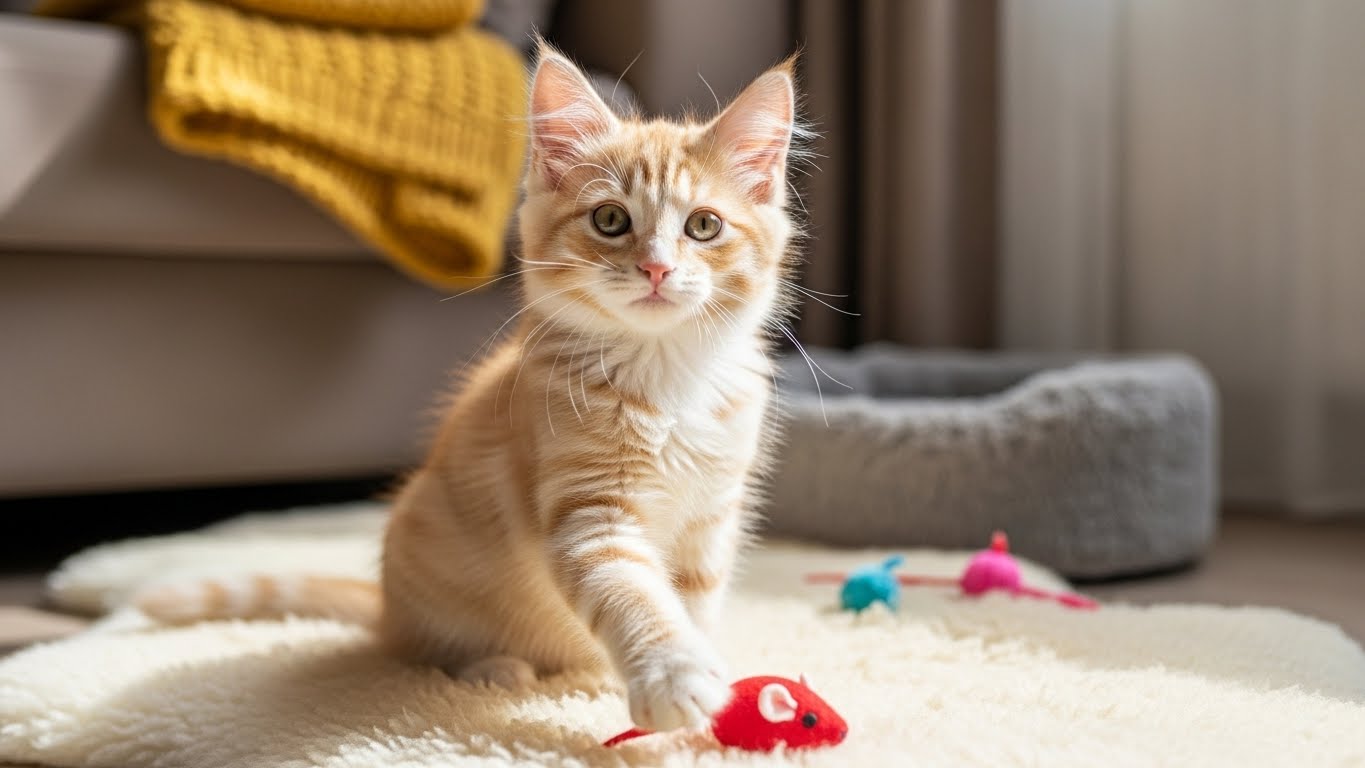
Kittens are tiny bundles of joy. They are playful, curious, and full of energy. Taking care of them can feel like an adventure. This infoguide for kittens from LLBlogPet is here to help you understand them better. Whether it’s feeding, playing, or keeping them healthy, we will guide you step by step. By following these tips, your kitten will grow happy, healthy, and strong.
Introduction to Kitten Care
Kittens need love, care, and attention from the very beginning. They are not just small cats; they are tiny friends who rely on you for everything. Kitten care includes feeding them the right food, keeping them clean, and making sure they feel safe. You also need to understand their behavior. Kittens explore everything, so a safe home is very important. With this infoguide for kittens from LLBlogPet, you will learn how to care for your furry friend in simple steps.
Choosing the Right Kitten
Picking the right kitten is the first step in your journey. Visit a shelter or a trusted breeder. Look for a kitten that is active, playful, and healthy. Check their eyes, ears, and fur. Healthy kittens are bright-eyed, curious, and friendly. Avoid kittens that seem weak, shy, or sick. Consider the breed, size, and personality. Some kittens are calm, and some are very playful. Choose a kitten that matches your lifestyle and your home environment.
Preparing Your Home Safely
Before bringing a kitten home, make sure your house is safe. Remove any small objects that a kitten could swallow. Keep electric wires out of reach and cover sharp corners. Set up a cozy bed or a small area where your kitten can feel safe. Kittens like quiet places where they can sleep undisturbed. Prepare food bowls, water, and a litter box. A safe environment will help your kitten adjust faster and feel comfortable in its new home.
Feeding Your Kitten Properly
Feeding your kitten is very important. Kittens need special food that is rich in nutrients to help them grow. You can feed them wet food, dry food, or a mix of both. Make sure the food is made for kittens, not adult cats. Feed small amounts multiple times a day. Fresh water should always be available. Avoid giving your kitten milk if it is older than eight weeks because many cats cannot digest it. LLBlogPet suggests keeping feeding times regular to create a healthy routine.
Understanding Kitten Nutrition Needs
Kittens grow fast, so they need the right nutrition. Proteins help their muscles grow. Vitamins and minerals make their bones strong. Fat provides energy for playtime and learning. Avoid giving human food that can harm them, like chocolate, onions, or sugary snacks. Kittens also need supplements if the vet recommends them. Proper nutrition helps kittens stay healthy, have shiny fur, and develop a strong immune system. A well-fed kitten is a happy kitten.
Litter Training Your Kitten
Litter training is an essential part of kitten care. Most kittens learn quickly if you provide a clean litter box. Place the box in a quiet and accessible spot. Show your kitten where it is and gently place them inside after meals or naps. Praise your kitten when they use it correctly. Clean the litter box every day to prevent odors. LLBlogPet tips say patience is key; some kittens take time to learn, but with consistency, they will master it.
Grooming Tips for Kittens
Kittens need grooming to stay clean and healthy. Brush their fur gently every day. Short-haired kittens need less brushing, while long-haired kittens need more. Check their ears, eyes, and teeth regularly. Trim their nails carefully. Bathing is not always necessary unless they get very dirty. Grooming also helps you bond with your kitten. LLBlogPet recommends starting grooming early so your kitten gets used to it. Regular grooming prevents hairballs and keeps fur soft and shiny.
Socializing Your Young Kitten
Socialization is important for a kitten’s growth. Introduce them to people, other pets, and new environments slowly. Play with your kitten daily using safe toys. Socializing helps kittens become confident and friendly cats. Avoid scaring them with loud noises or rough handling. LLBlogPet suggests using treats and gentle words to encourage positive behavior. Well-socialized kittens are happier and adjust better to new homes and situations.
Keeping Kittens Healthy Daily
Daily care is vital for keeping your kitten healthy. Check for signs of illness like sneezing, diarrhea, or loss of appetite. Keep their living area clean. Give them fresh water and balanced meals. Playtime is also important to keep them active. LLBlogPet emphasizes regular monitoring and observing your kitten’s behavior. Healthy habits from a young age make kittens grow into strong and playful cats.
Common Kitten Health Issues
Kittens can face health problems like fleas, worms, or colds. Watch for unusual signs like vomiting, scratching, or lethargy. Take your kitten to the vet immediately if they seem unwell. Vaccinations and deworming are important preventive measures. LLBlogPet recommends regular checkups to catch problems early. Knowing the common health issues helps you act quickly and keep your kitten safe and happy.
Vaccinations and Vet Visits
Vaccinations protect kittens from dangerous diseases. Your vet will suggest a vaccination schedule. Common vaccines include those for feline distemper, rabies, and respiratory infections. Vet visits are also important for growth monitoring, deworming, and overall health checks. Keep records of all visits and treatments. LLBlogPet advises that early vet care prevents future health problems and ensures your kitten has a strong start in life.
Playtime and Exercise Tips
Kittens are full of energy and need plenty of playtime. Toys like balls, strings, and puzzle feeders keep them active. Playtime improves their coordination and mental skills. Avoid rough play that can hurt them. Schedule multiple short play sessions daily. LLBlogPet explains that exercise is not just fun—it also helps prevent obesity and keeps kittens happy and curious. Active kittens grow into healthy adult cats.
Handling Kitten Behavior Problems
Kittens may bite, scratch, or misbehave sometimes. Understand that it is normal behavior because they are learning. Redirect their attention to toys instead of your hands. Avoid punishment; use gentle training. LLBlogPet suggests rewarding good behavior with treats and praise. Over time, kittens learn rules and boundaries. Patience and consistency are key to raising a well-behaved cat.
Traveling with Your Kitten
Traveling with a kitten requires preparation. Use a comfortable carrier and make sure your kitten feels safe inside it. Bring food, water, and a favorite toy. Never leave a kitten alone in a car. LLBlogPet recommends short trips first to help them adjust. Keep calm and speak softly to reduce stress. Traveling safely ensures your kitten stays happy and comfortable during adventures.
Long-Term Kitten Care Guide
Taking care of a kitten is a lifelong journey. Continue feeding them healthy food, giving regular vet care, and spending quality time together. Keep them mentally stimulated with toys and activities. Monitor their health as they grow older. LLBlogPet emphasizes that love, attention, and consistency are the secrets to raising a happy, healthy cat. By following this infoguide, your kitten will thrive and bring joy for many years.
FAQs
Q1: How often should I feed my kitten?
A: Feed your kitten small meals 3–4 times a day with food made just for kittens.
Q2: When should I take my kitten to the vet?
A: Take your kitten to the vet as soon as you bring them home and for regular checkups and vaccinations.
Q3: How do I litter train my kitten?
A: Place your kitten in the litter box after meals or naps, keep it clean, and praise them when they use it.
Q4: Can I bathe my kitten often?
A: No, kittens don’t need frequent baths. Brush their fur daily and only bathe if they get very dirty.
Q5: How can I stop my kitten from scratching furniture?
A: Give your kitten scratching posts or toys and redirect their attention when they scratch furniture.
Q6: What kind of toys are best for kittens?
A: Small balls, strings, and puzzle toys are fun and help kittens stay active and smart.
Q7: How do I keep my kitten healthy at home?
A: Feed nutritious food, give clean water, play with them, keep their litter box clean, and visit the vet regularly.