
What Is Pulsamento?
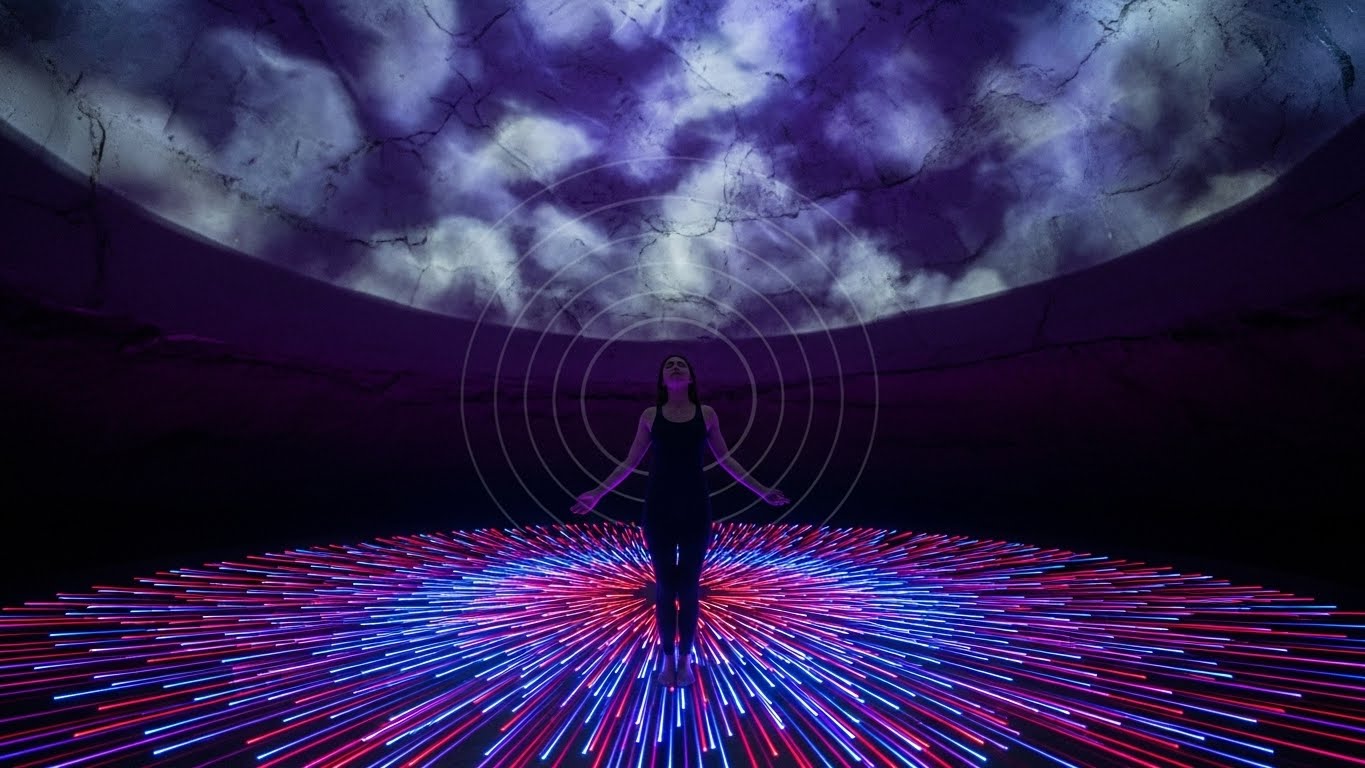
Pulsamento is a special word that comes from Italy. It means “pulse” or “rhythm.” But it is more than just a beat. Pulsamento is about feeling the rhythm inside and outside of us. It can be in music, movements, or even the way our heart beats. Think of it as a gentle wave that moves through our body and mind. It is something you can feel, see, and even imagine. The beauty of pulsamento is that it connects everything around us, making life feel alive and flowing.
When you listen to a song and your feet tap along, that is pulsamento. When you take deep breaths and feel calm, that is pulsamento too. It helps us notice small patterns in life. Scientists and artists both agree that pulsamento is important for happiness and creativity. It reminds us that everything has a rhythm, even the way we think and feel.
Origins of Pulsamento
The word pulsamento comes from the Italian language. In Italian, “pulsare” means “to pulse” or “to beat.” Long ago, people in Italy noticed that music, dance, and even daily routines had natural rhythms. They started using the word pulsamento to describe this special energy that moves like a heartbeat.
Over time, pulsamento became more than a word. It became a practice. Artists, dancers, and musicians used it to create beautiful patterns. Even doctors and scientists noticed that rhythm and pulses affect our minds and bodies. From ancient Italy to today, pulsamento has been a bridge between art, science, and life. It shows that rhythm is not only for music; it is everywhere.
The Meaning of Rhythm
Rhythm is the pattern of beats that repeats. You hear it in songs, see it in dances, and feel it in movements. Rhythm is the heart of pulsamento. It can be fast, slow, soft, or loud. Imagine the ticking of a clock or the waves of the ocean; these are all rhythms.
Pulsamento is the way we connect with these rhythms. It helps us feel harmony inside our body. When you jump rope or dance to music, your body learns to follow the rhythm. Rhythm gives structure to our day. It helps us focus, stay calm, and enjoy what we do. Without rhythm, life would feel confusing and chaotic.
Pulsamento in Daily Life
You don’t need music or dance to experience pulsamento. It is everywhere. Every heartbeat, every breath, and every step has a rhythm. When you wake up, brush your teeth, and eat breakfast, you follow patterns. These patterns are simple forms of pulsamento.
Even walking to school or playing games has a rhythm. Paying attention to these rhythms makes life more enjoyable. It teaches us patience and helps us notice small details. Pulsamento in daily life reminds us to move with awareness and enjoy the flow of every moment.
How Pulsamento Affects Us
Pulsamento affects our body, mind, and emotions. When we move with rhythm, our hearts feel lighter, our thoughts become clear, and our emotions calm down. Scientists call this “entrainment.” It means our body and mind match the rhythm we feel around us.
Listening to music with a strong rhythm can make us happy or excited. Gentle rhythms, like slow breathing or soft songs, can help us relax. Pulsamento also improves concentration. Students who follow rhythmic patterns while learning often remember better. It helps everyone, from kids to adults, to feel balanced and focused.
Emotional Impact of Rhythm
Rhythm is closely tied to feelings. Fast rhythms can make us energetic and excited. Slow rhythms can make us peaceful and thoughtful. Pulsamento allows us to explore our emotions safely. When we dance, sing, or clap along to rhythms, we express feelings without words.
Artists and therapists use pulsamento to help people cope with stress. Even simple activities like drumming on a table can release tension. Pulsamento teaches us that our emotions are natural. It reminds us that just like rhythm, feelings come and go, creating a flow that makes life colorful.
Scientific Basis of Pulsamento
Scientists have studied pulsamento and found that rhythm influences our brain waves and heartbeats. When we follow a rhythm, our brain produces patterns that help us think clearly. This is why music can make us smarter or improve memory.
Pulsamento also affects our nervous system. Regular, gentle rhythms help lower stress and improve mood. Doctors use rhythm-based therapies to help patients with anxiety, depression, or sleep problems. Even our heartbeat follows a natural rhythm, showing that pulsamento is part of our biology. It is a bridge between the mind and body, proving that rhythm is essential for health and happiness.
Pulsamento Practices and Techniques
There are many ways to practice pulsamento. Dancing to music, clapping, drumming, or even walking can be a practice. Meditation often includes pulsamento. People focus on their breath or heartbeat, noticing the rhythm within.
Another technique is movement exercises. You can sway, tap your fingers, or gently move your body in patterns. These small actions train your brain to notice rhythm. Artists often use pulsamento in painting or drawing, creating repeated patterns that feel alive. Practicing pulsamento every day helps you connect better with yourself and the world around you.
Benefits of Pulsamento
Pulsamento has many benefits for kids and adults. It improves focus, creativity, and memory. It reduces stress and helps us stay calm. When we practice pulsamento, our minds and bodies feel connected.
It also strengthens coordination. Dancing, drumming, or playing musical instruments with rhythm improves balance and timing. Pulsamento can improve social skills too. Playing games with rhythm or joining group activities helps us communicate and cooperate better. Overall, pulsamento makes life more joyful and meaningful by reminding us that we are all part of a larger rhythm.
Pulsamento in Art Forms
Artists and musicians often use pulsamento in their work. In music, rhythm is the foundation of every song. In dance, movements follow pulses that create harmony. Even in painting, repeated patterns or flowing lines can show rhythm visually.
Pulsamento helps artists tell stories without words. When we see a painting or hear a song with rhythm, our body often reacts. We might tap our feet, sway, or smile. This shows that pulsamento is a universal language that everyone can feel and understand, no matter the age or culture.
Meditation and Pulsamento
Meditation is a quiet way to experience pulsamento. By focusing on breathing, heartbeat, or gentle sounds, we notice rhythm inside ourselves. This helps calm the mind and relax the body.
Even a few minutes of pulsamento meditation can reduce stress and improve concentration. Some people use chanting, drumming, or soft music during meditation to enhance the rhythm. Pulsamento in meditation teaches patience, presence, and awareness. It reminds us that calm and happiness can be found by simply paying attention to the flow of life.
Cultural Examples of Rhythm
Pulsamento is found in cultures worldwide. In Africa, drumming circles create strong community rhythms. In Latin America, dance and music celebrate pulsamento in festivals. Even in Asia, meditation and chanting follow rhythmic patterns.
These examples show that rhythm is a universal human experience. No matter where you live, people naturally connect with pulses in music, movement, and daily life. Learning about cultural rhythms helps us understand diversity and appreciate the beauty of human creativity.
Mastering Pulsamento Awareness
Mastering pulsamento means noticing rhythm in life and using it wisely. Start by observing your breathing, heartbeat, or daily routines. Move, clap, or dance to simple beats. Practice small exercises daily to train your mind and body.
Over time, you will feel more connected, calm, and focused. Pulsamento awareness helps you handle stress, enjoy music, and improve coordination. It also makes you more mindful of your surroundings. Remember, pulsamento is not just a practice; it is a way of seeing and feeling life as a beautiful, flowing rhythm.
Conclusion
Pulsamento is a magical concept that connects rhythm, life, and emotions. It comes from Italy but is felt everywhere in the world. From heartbeat to music, dance to meditation, pulsamento surrounds us. Practicing pulsamento improves focus, creativity, emotional balance, and overall happiness. It is a tool for children and adults alike to feel connected with themselves and the world. By noticing rhythm in every step, every breath, and every sound, we can live a life full of joy, flow, and energy. Pulsamento teaches us that life is a beautiful rhythm, and we are all part of its dance.